Pop-Up Engineering
V-folds, parallel folds, pull-tabs, and multi-layer tunnel spreads dummied in 120 gsm mock stock before a single die is cut.
Paper engineering studio
PaperCrease turns flat artwork into dimensional objects — limited-edition pop-up books, premium brand envelopes, and folded specialty-paper structures finished with die-cutting, embossing, and foil stamping. Our craft lives in the tension between paper and geometry, where every fold honours both the material's limits and the magic we promise.

The material decides first
Grain direction sets which way a sheet wants to fold. Caliper sets how tight a crease can be scored before the fibres crack. A 300 gsm cotton rag will hold a sculpted emboss beautifully and fight you on a tight parallel fold; a 170 gsm coated sheet does the reverse.
So we start with the stock, not the render. Every mechanism we ship has been creased, scored, and worked by hand in the exact paper it will be produced in — because the difference between a spread that snaps open and one that sags is usually 40 gsm.

Capabilities
V-folds, parallel folds, pull-tabs, and multi-layer tunnel spreads dummied in 120 gsm mock stock before a single die is cut.
Steel rule and rotary dies at ±0.2 mm registration, with laser cutting reserved for filigree finer than 0.6 mm.
Single-level, multi-level, and sculpted brass dies, hand-registered on cotton and duplexed boards up to 900 gsm.
Hot foil in matte copper, oxidised black, and holographic finishes, combo-stamped in register with blind emboss.
Selected work
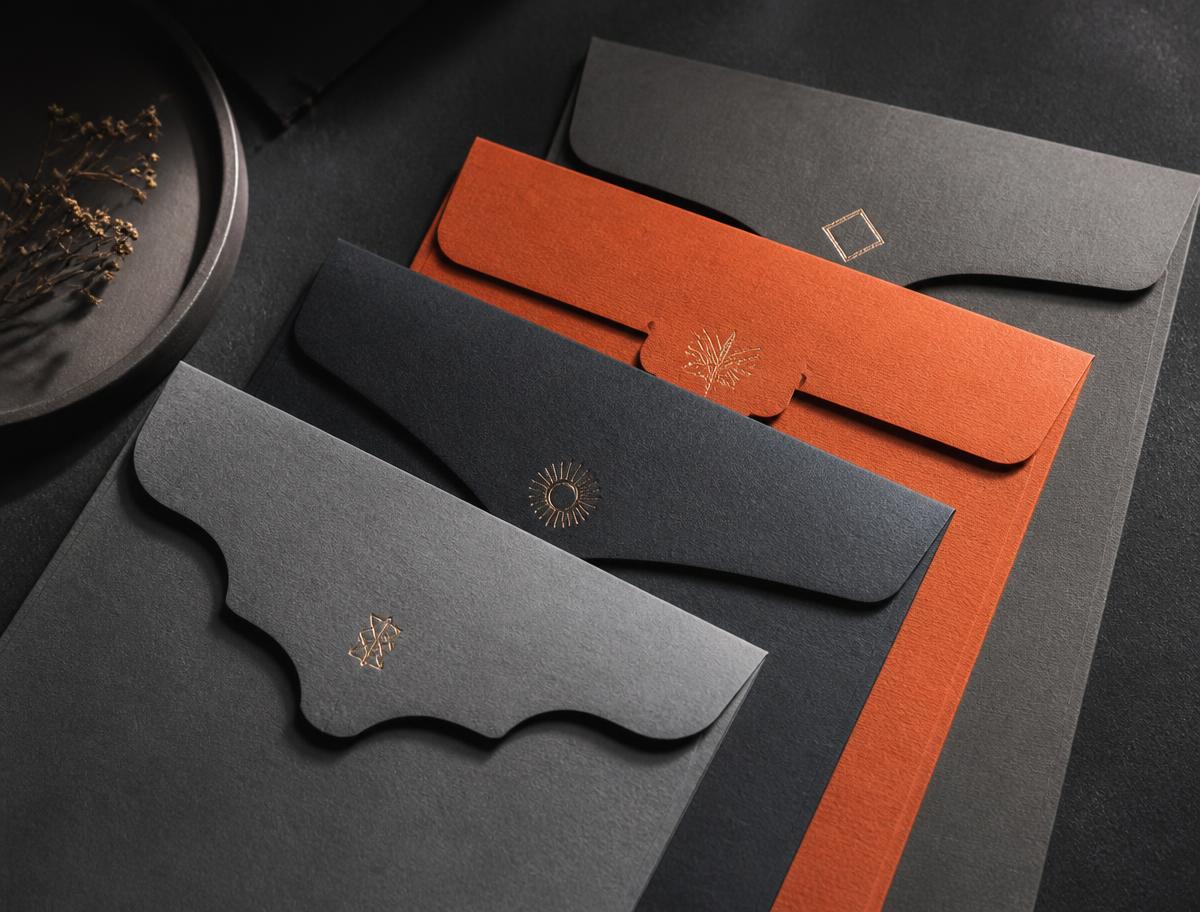
Die-cut scalloped flaps · copper foil seal · 270 gsm colorplan
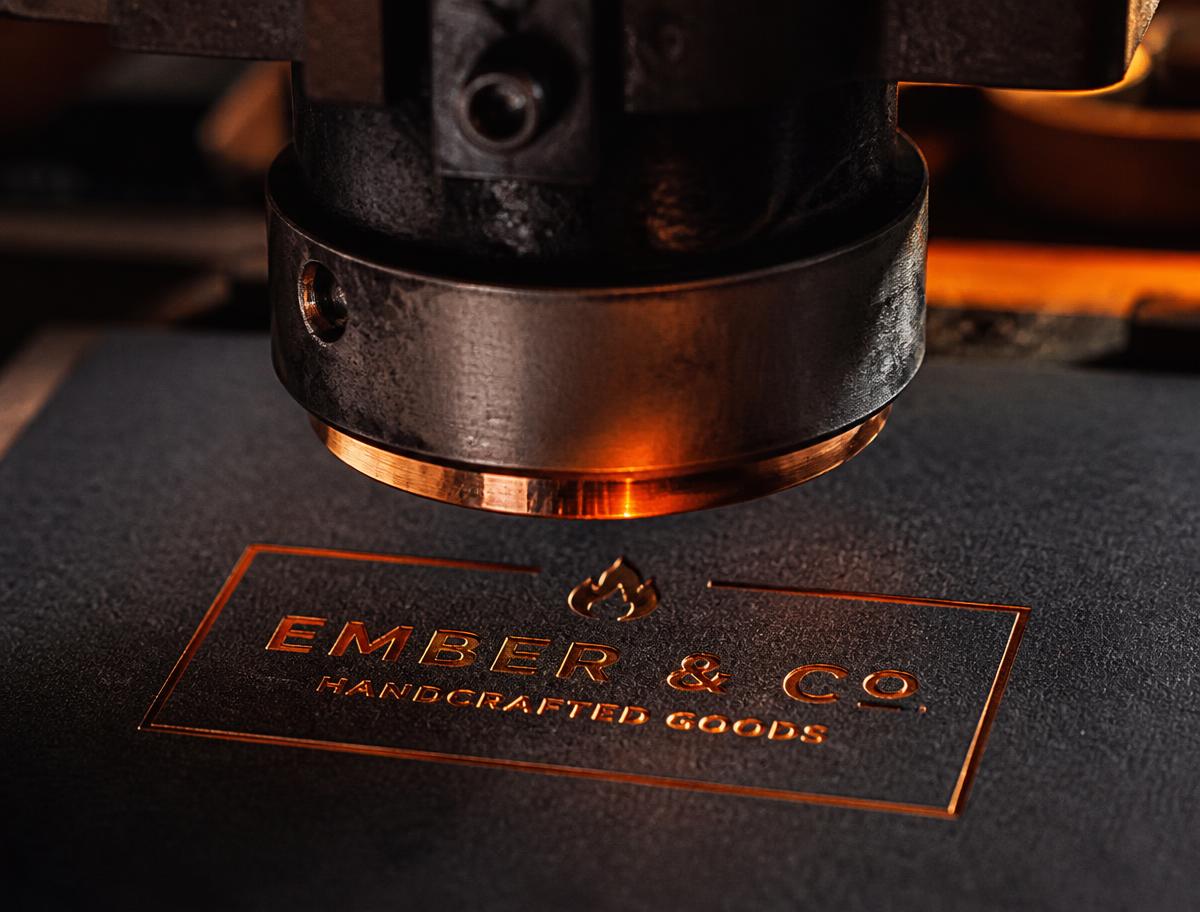
Two-hit register · matte copper on oxidised black
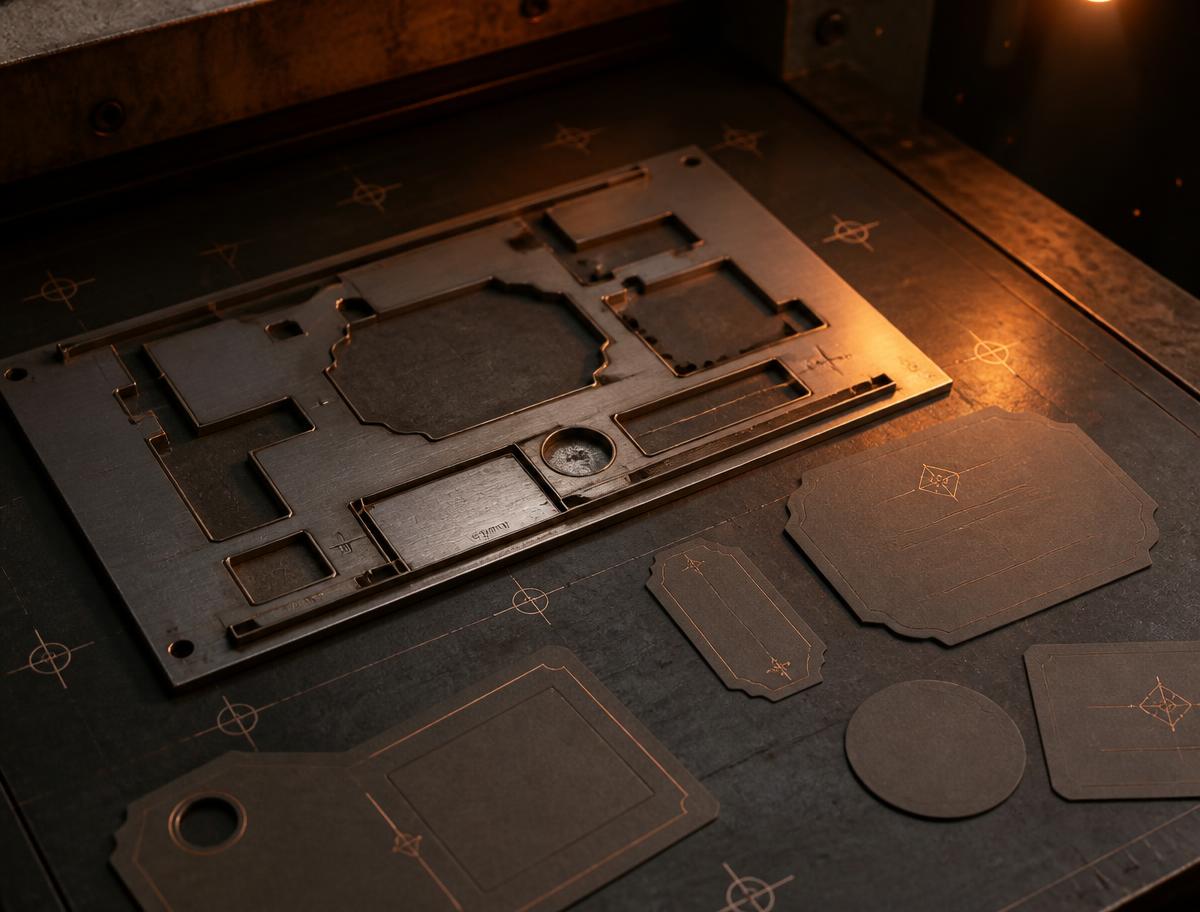
8-up nested layout · ±0.2 mm registration
How a fold becomes a run
We map the artwork against the mechanism: how far it opens, how flat it packs, and how many times a reader can work the fold before fatigue sets in.
A full-size unprinted dummy is built by hand. Fold direction, gutter allowance, and paper grain are settled here — never on press.
We test three candidate stocks for crease recovery and fibre tear, then confirm foil adhesion and emboss depth on the winning sheet.
Print, die-cut, finish, then hand-glue with reversible PVA. Every unit is opened and closed five times before it is boxed.
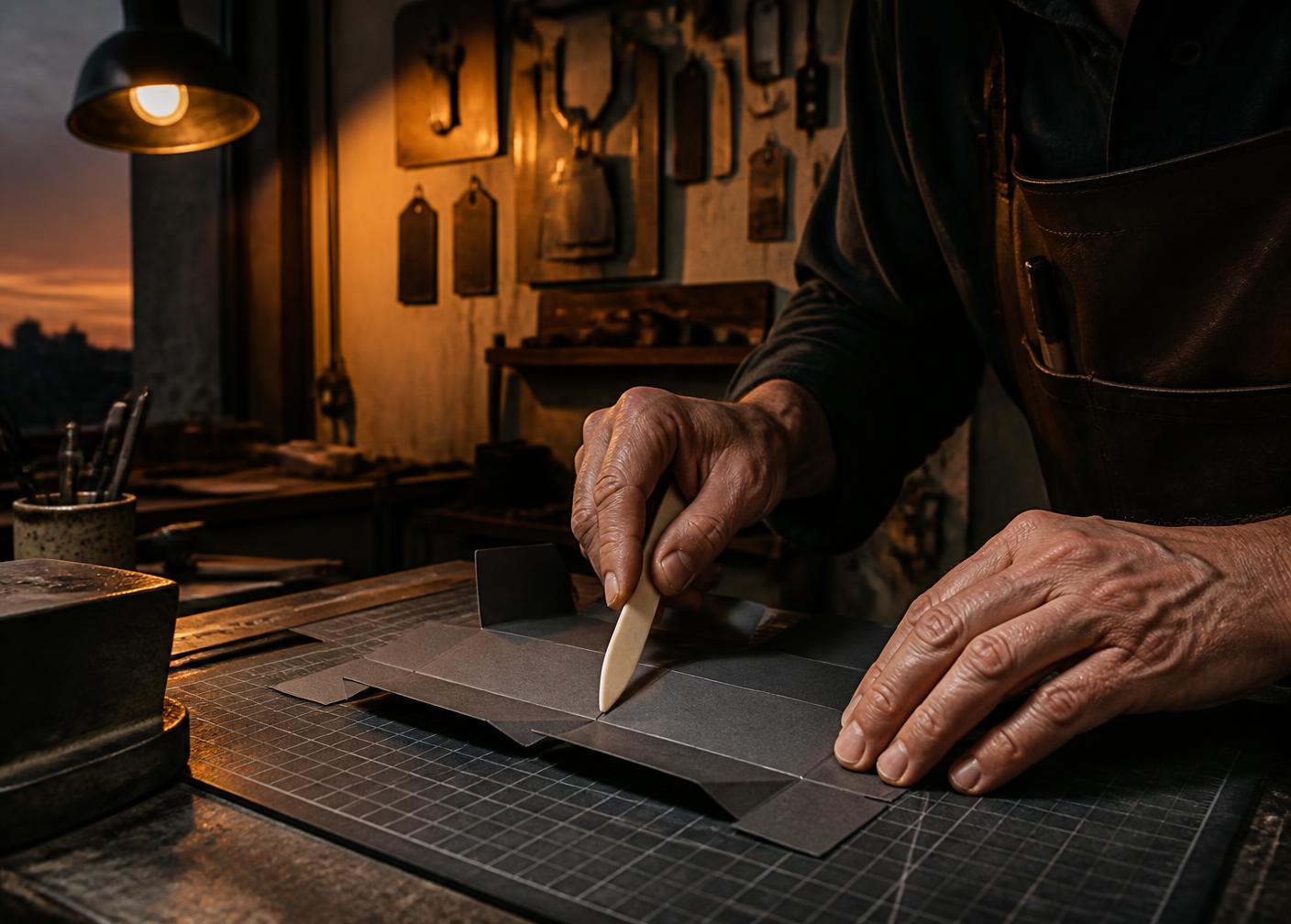
We'll tell you what it wants to become — which mechanism suits it, which stock will hold it, and what the finishing will cost at your run length.